The Silence of the Far North: Lessons from Arctic Solitude
How stripping away sensory noise in subzero latitudes recalibrates the wanderer's interior cadence.
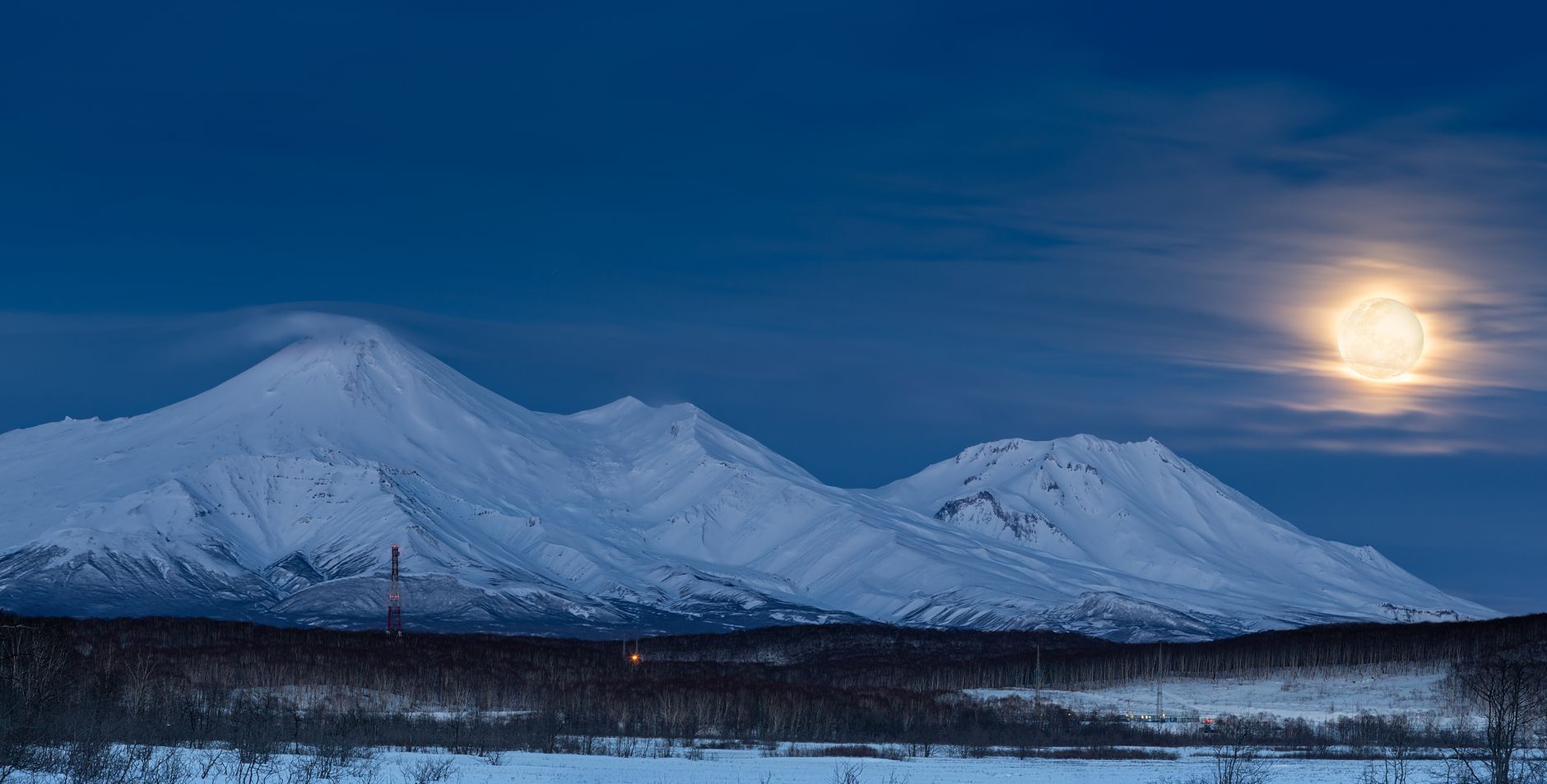
"In the high latitudes above Tromsø, the twilight is not merely an absence of sunlight. It is an expansive blue presence that softens every sound until the only friction left is the crunch of crust ice beneath your boots."
The Weight of Unfiltered Space
Modern travel often substitutes urban stimulation with touristic stimulation. Crowded viewing platforms, endless camera shutters, and pre-packaged schedules mirror the very anxieties we set out to leave behind. Standing on the shores of Lyngen Fjord in late October offers the opposite experience: pure stillness.
When temperatures drop past negative twelve Celsius, moisture crystallizes out of the air. Sound waves travel differently across frozen water. You can hear a flock of eider ducks taking flight two nautical miles away. In this acoustic vacuum, the mental chatter accumulated over months of screen work begins to recede.
Navigating the Blue Hour
Between November and January, northern Norway enters mørketid—the polar night. Yet contrary to southern misconceptions, it is not pitch black. For four hours around midday, a vibrant indigo and burnt copper glow washes across the granite mountain faces.
- Observation over capture: Spending ninety minutes sketching or watching water movement instead of taking thirty rapid smartphone photographs.
- Thermal discipline: Layering dense merino under boiled wool and windproof shells allows comfortable stillness rather than frantic movement.
- Local architecture: Seeking out timber cabins built according to traditional rorbu craftsmanship that creak harmoniously with coastal gales.
By the fourth day of arctic quietude, sleep cycles deepen and the compulsion to constantly check schedules dissolves into daylight rhythms.